Comparing Alpaca and Linen in Bedding: Properties, Care, and Practical Uses
A National Geographic–style exploration of two timeless natural fibers, alpaca and linen, and how their intrinsic qualities shape comfort, climate response, and care routines in bedding. In this feature, we trace fibers from their Andean or flaxen origins to the intimate rituals of sleep—what to choose for warm summers, how to care for each material, and which bedding types best suit different sleepers and rooms.
Origins and Fiber Biology: Why Textiles Feel the Way They Do
In the tapestry of home textiles, alpaca and linen stand apart because of their biological makeup and the environments that nurture them. Alpaca fiber—the hollow, keratinous thread shed by the South American camelid—possesses a natural loft that traps air, delivering warmth without excessive weight. Its scales are gentle, the fiber is smooth, and it wicks moisture efficiently, which helps regulate temperature during the long Andean nights. Linen, by contrast, comes from flax plants, with fibers that are strong, cool, and highly breathable. Linen’s crisp hand and natural sheen become more nuanced with age, taking on a character that is both resilient and breathable, ideal for hot climates or steamy summer months.
The structural difference matters: alpaca’s hollow fibers create exceptional warmth-to-weight ratios, enabling insulation that feels soft rather than bulky. Linen’s tight weave and natural moisture management produce a fabric that remains cool even as the room warms. These intrinsic properties guide sleep comfort—alpaca for cocooning warmth in shoulder seasons and linen for a refreshing, airy coolness when temperatures rise.
Section I: Insulation, Drape, and Climate Fit
The way warmth is perceived in bedding is a function of fiber structure, fabric weave, and fill technologies. Alpaca fibers, with their hollow core, trap warmth while still maintaining breathability. This makes alpaca-based duvets and blankets remarkably warm without the sensation of heaviness. They resist overheating for many sleepers who prefer a lighter feel but still crave comfort on cool nights. In a bedding landscape, alpaca products frequently strike a balance between loft and draft-free warmth, offering a soft hand that is gentle against the skin and naturally resistant to pilling.
Linen bedding, when used as sheets, pillowcases, or light blankets, provides a cool, crisp sense of temperature regulation. Linen fibres have a higher moisture-absorption capacity than many other natural fibers, and they dry quickly. This makes linen bedding particularly well-suited for warmer nights or climates where humidity is high. The textile structure allows air to circulate, creating a cooling microclimate around the sleeper. For some, linen’s slightly textured surface becomes part of the sensorial experience of rest—an invitation to a more awake, refreshed night.
From a practical standpoint, alpaca bedding tends to be most comfortable in environments where evenings are cool or variable, or where sleepers favor a plush, insulating layer. Linen bedding excels in hot and humid environments, providing an immediate sensation of coolness and lightness. For mixed climates, wool blends often accompany alpaca in the market, while linen can be paired with cotton or silk for different effects. The key is to map the climate, the season, and the user’s warmth preference to fiber choice and fabric construction.
Section II: Care, Longevity, and Everyday Durability
Care routines for natural fibers are not just about cleanliness; they shape the longevity of a piece and preserve its texture, warmth, and performance. Alpaca fibers are relatively easy to care for in daily life, but they respond best to gentle handling. Many alpaca bedding pieces feature natural-reinforcing techniques like careful needlework, low-lint fabrics, and clean, hypoallergenic cleaning guidelines. Because alpaca fibers can be less prone to pilling than some wool blends, the loft and softness can endure regular use if laundered according to precise care instructions—typically dry clean or hand wash with a mild detergent followed by air drying in many premium offerings.
Linen care emphasizes humidity, heat, and washing technique. Linen becomes softer with use and washing, but it can wrinkle easily; some prefer the crisp, industrial look linen gains through regular wear. Linen fibers tolerate frequent washing, and modern linen bedding often features pre-washed finishes that reduce shrinkage and enhance softness. For daily care, the emphasis is on avoiding harsh chemical cleansers, using cool to warm water, and line-drying or low-heat tumble drying as recommended by the label.
Durability is also a function of weave. A dense linen weave is robust against wear, while alpaca knits—especially seed-stitched textures—offer a resilient hand that remains soft after many washes. When comparing longevity, alpaca pieces generally maintain loft and warmth longer with gentle handling, while linen tends to acquire a more relaxed texture and improved drape over time. The trade-off is a question of preference: crisp and cool versus soft and warm, with both fibers offering lifelike longevity when cared for with consideration for their unique needs.
Section III: Quick-Start Guide for Different Sleepers
To help readers make informed choices, here is practical guidance for three common sleep profiles, aligned with alpaca and linen bedding properties:
- Warm sleepers or those in hot climates: Linen sheets and light linen blankets for the bed top layer can promote airflow and temperature regulation. Consider a light quilt or linen blend to avoid over-insulation during summer nights.
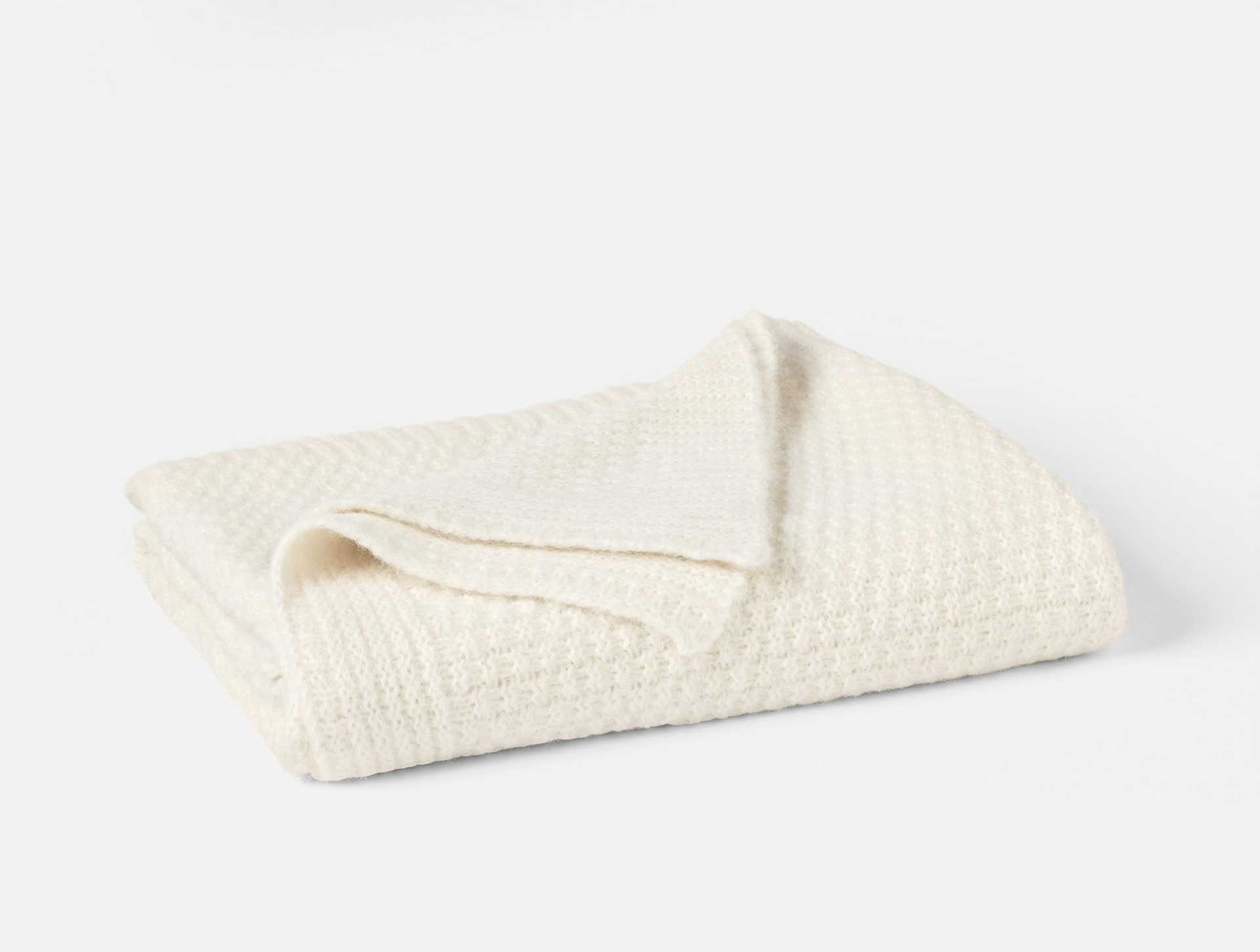
- Cool-climate sleepers who crave plush warmth: Alpaca blankets and duvets, possibly in combination with a breathable cotton or linen cover, provide warmth without overwhelming weight. A Cordillera Alpaca Cotton Knit Throw, with its seed-stitch texture, offers warmth while maintaining a breathable, soft touch.
- All-season comfort seekers: A layered approach with linen sheets and a mid-weight alpaca duvet allows flexible temperature control through differing seasonal conditions. Teaming the Cordillera Alpaca Cotton Knit Throw with a suitable duvet insert can create a balanced warmth profile that adjusts with the room temperature.
Section IV: A Practical Comparison: Alpaca vs Linen
Care, warmth, and feel form the backbone of a practical bedding decision. The table-like contrast here highlights core considerations, keeping in mind the nature of the fibers and the typical care pathways:
- Warmth-to-weight ratio: Alpaca offers higher loft warmth with light weight; linen remains cooler and crisper.
- Drape and hand: Alpaca tends to feel soft and cuddly; linen offers a more structured, breathable hand that improves with every wash.
- Care complexity: Alpaca requires gentler handling and often dry cleaning; linen thrives with washing and air-drying, though some blends are machine-washable.
- Durability and aging: Alpaca maintains loft with proper care; linen becomes progressively softer and more luxurious through repeated use.
- Sustainability considerations: Both fibers have strong sustainability profiles, with ethical sourcing and responsible production practices a central theme for many premium bedding brands.
Section V: A Glimpse into the Field: Three Key Personalities Across Time
From the loom to the laboratory, three individuals across different epochs illuminate the human story behind natural fibers and bedding. Their work—whether in traditional craft, scientific inquiry, or social responsibility—helps us understand why alpaca and linen endure as timeless textiles.
Maria Josefa de la Vega (18th-19th century, Peru)
Weaver and community textile steward who maintained traditional Andean weaving techniques in the face of modernization. Her work demonstrates how alpaca fiber and weaving practices remain central to cultural identity, with patterns and textures passed through generations. Maria’s legacy is a reminder that textile choices are not merely about warmth and aesthetics but also about preserving cultural memory and artisanal knowledge for future generations.
Dr. Elena Navarro (20th century, textile science)
A pioneer in textile science who studied fiber properties, moisture management, and thermal regulation. Her research helped articulate how hollow fibers like alpaca provide warmth without bulk and how linen’s moisture wicking and breathability contribute to comfort in bedding under varied climates. Her work bridged the gap between artisanal craft and modern science, informing better product design and consumer guidance.
Sophie Moreau (21st century, sustainability advocate)
A contemporary advocate for ethical sourcing and transparent supply chains. Her initiatives emphasize regenerative practices, fair labor, and lifecycle thinking in textiles. Sophie’s perspective underscores how brands today can honor the integrity of fibers like alpaca and linen—from farm to futon—while promoting sustainable and equitable economies for fiber producers around the world.
These voices—rooted in tradition, supported by science, and guided by conscience—shape how we approach bedding today. Their legacies remind us that the choice of alpaca or linen in bedding is not just about warmth or coolness, but also about stories of place, people, and responsibility that accompany each thread.
Featured Product Spotlight: Cordillera Alpaca Cotton Knit Throw
Brand: Coyuchi
Cordillera Alpaca Cotton Knit Throw
A soft, textured knit throw blending 56% alpaca with 44% pima cotton, woven in Peru with a seed stitch for warmth and breathable durability.
Specs: 40" x 65", Dry Clean Only, 56% alpaca / 44% pima cotton, woven in Peru.
Why it matters: The Cordillera knit embodies the intersection of warmth and breathability, offering a versatile layer for cool nights or as a decorative yet practical piece in living spaces.
In a bedding landscape dominated by synthetic fills and mass-market textiles, a fiber-driven piece like Cordillera Alpaca Cotton Knit Throw stands as a reminder of the tactile richness and enduring practicality of natural fibers. The throw’s seed-stitch texture adds tactile depth that invites touch, while the alpaca’s warmth and cotton’s breathability offer a balanced thermal experience for many interiors.
Conclusion: Choosing Between Alpaca and Linen for Bedding
The choice between alpaca and linen in bedding is ultimately a question of how you sleep, where you live, and how you want your nights to feel. Alpaca bedding delivers warmth with a light touch and a luxurious softness, suitable for cool seasons or for those who desire a cozy, enveloping feel without heaviness. Linen bedding offers cooling, breathability, and a crisp hand that ages into a refined elegance, ideal for warmer climates and those who prefer a sense of daytime freshness even after dusk.
By understanding fiber properties, care requirements, and the broader narratives that connect fiber production with personal comfort, readers can curate bedding wardrobes that are both functional and meaningful. The Cordillera Alpaca Cotton Knit Throw stands as a prime example of how a single piece can encapsulate the synergy of warmth, texture, and sustainable craft that defines modern natural-fiber bedding.
Notes on Structure and Categories
This article resonantly aligns with the broader domain themes described in the Website Identity, including sections on Bedding, Pillows, Nursery, and Comforters. For readers seeking deeper dives into fiber properties, care guides, and sourcing recommendations, the article provides a framework for future posts that can expand into tutorials, glossaries, and sustainability roundups.
References and Suggested Further Reading
All fiber claims herein reflect established textile knowledge about alpaca and linen. For further exploration, readers may consult textiles science resources, heritage weaving histories, and modern sustainable textile roundups from established design journals and textile scholars. The aim is to nurture informed, thoughtful choices that honor both textile craft and environmental stewardship.